

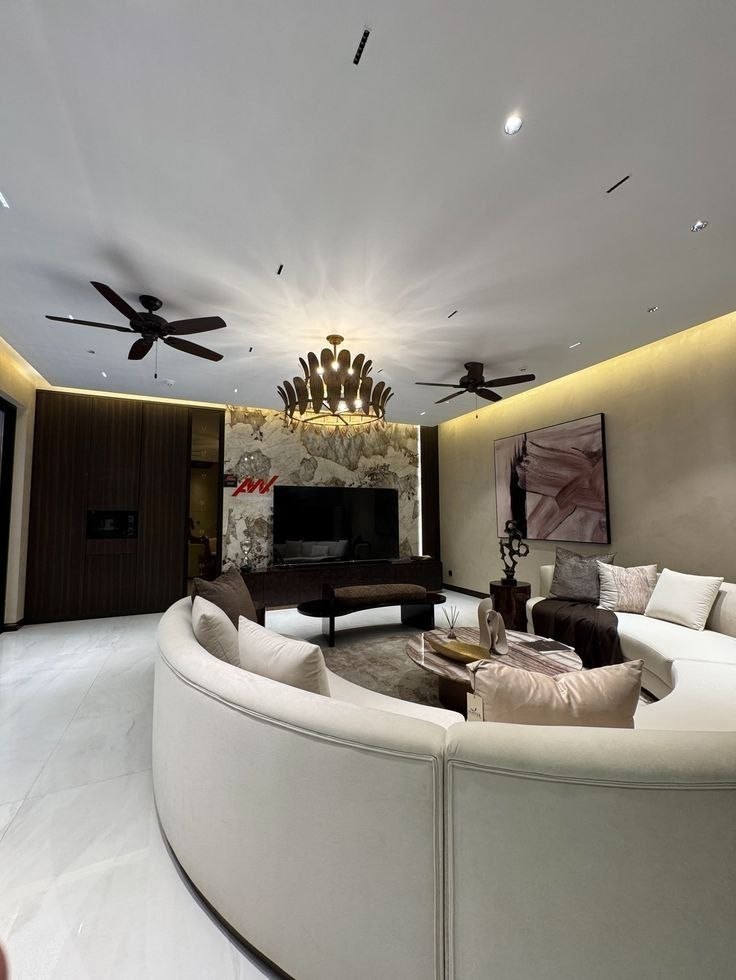
Moving Beyond Monotonous Matching Sets
Buying all your furniture from a single catalog in identical honey teak creates a flat, dated look. Sophisticated interior design embraces mixed wood tones—when done with intention.
The Rules for Mixing Woods:
- Find the Dominant Undertone: Woods are either warm (yellow/red/orange undertones like teak, cherry, and walnut) or cool (ash grey, bleached oak, espresso). Ensure all wood species share the same family undertone.
- Establish One Hero Wood (70%): Your largest wooden surface (flooring or large wall paneling) sets the benchmark. All secondary wood furniture (dining tables, credenzas, picture frames) play supporting accents.
- Use High Contrast Intentionally: Mixing light oak with deep rich walnut works beautifully because the contrast is deliberate. Mixing two woods that are almost identical looks like an accidental mistake.
- Introduce a Bridge Material: Break up direct wood-on-wood contact using painted surfaces, area rugs, black metal legs, or marble table tops.
Designer Secret: If your dining chairs have a different wood finish than your dining table, match the chairs' fabric upholstery to the room's curtains to visually anchor the ensemble.